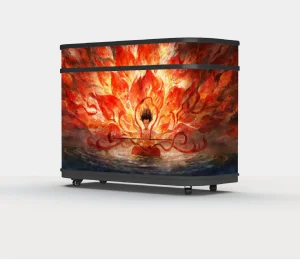
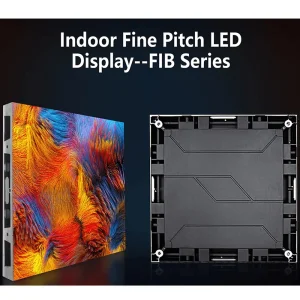
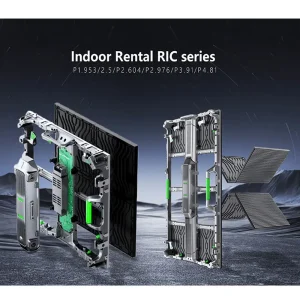
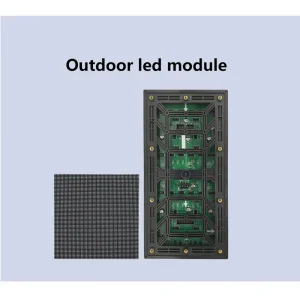
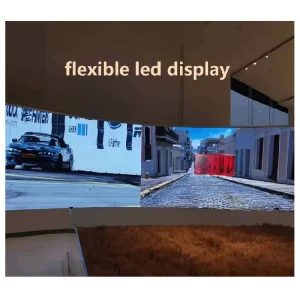
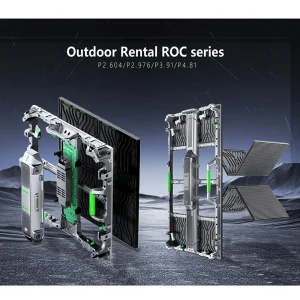
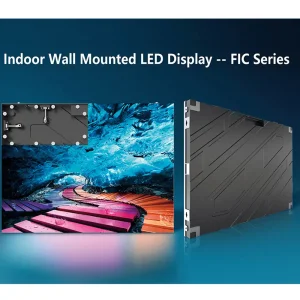
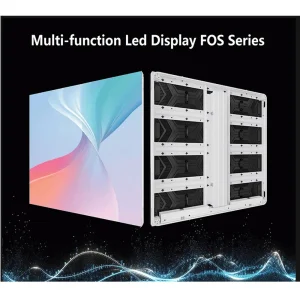
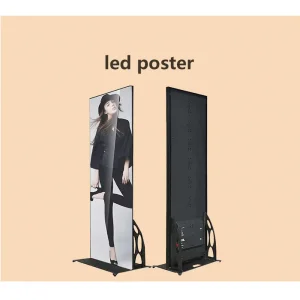
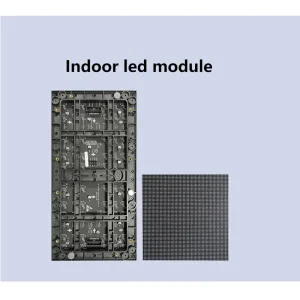
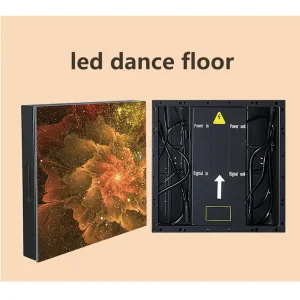
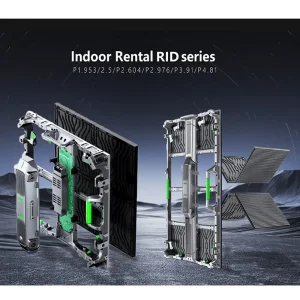
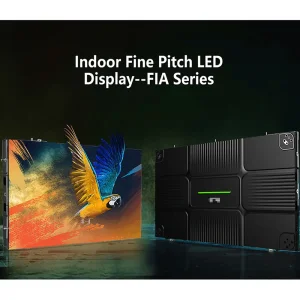
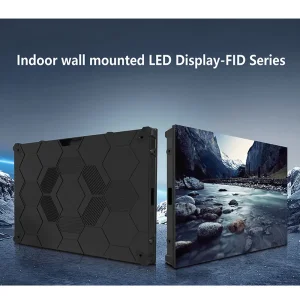
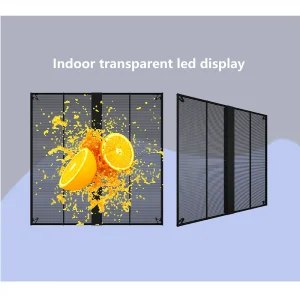
Explore our core selection of high-performance indoor and outdoor LED modules and systems built for visual superiority.
In the landscape of digital signage, the P10 LED module represents a cornerstone technology for large-scale outdoor displays, digital billboards, and commercial building signage. The "P10" designation indicates a 10mm pixel pitch—the physical distance from the center of one pixel (diode cluster) to the center of the adjacent pixel. This spacing establishes a pixel density of 10,000 pixels per square meter, balancing cost efficiency with visual clarity at optimal viewing distances of 10 meters and beyond.
When evaluating P10 LED sign manufacturers, procurement teams must choose between SMD and DIP configurations. DIP technology, featuring individual red, green, and blue diodes soldered onto the circuit board, offers high brightness levels (often exceeding 7,500 to 8,000 nits) and superior weather durability, making it ideal for direct sunlight environments. Conversely, SMD 3-in-1 technology encapsulates the three color chips into a single diode package. This yields wider viewing angles (up to 140° horizontally and vertically) and superior color blending, which is highly suited for closer-range commercial installations and shopping plazas.
Information Gain Metric: High-quality P10 signs utilize constant-current driving ICs (such as ICN2037 or MBI5124) with a refresh rate of ≥1,920Hz (up to 3,840Hz for broadcast grade). This prevents flicker in high-speed cameras, maintains smooth animations, and delivers rich gray-scale color gradients even at lowered brightness settings.
Founded in 2014, HAFOND CO., LTD specializes in the custom engineering and volume manufacturing of high-quality indoor and outdoor LED display solutions. Over the past decade, we have established ourselves as an industry leader by prioritizing advanced optoelectronic research, strict product testing, and client-focused support.
At HAFOND, innovation drives our growth. We maintain advanced automated production facilities to manufacture an extensive range of products, catering to diverse visual requirements in architectural media, dynamic retail, and transit communications across the globe. Rather than simply serving as a standard vendor, we collaborate with our clients as a committed technology partner.
Leveraging state-of-the-art production and a customer-first approach to maximize the ROI of your visual investments.
We provide a comprehensive range of display systems, including indoor and outdoor fixed, rental-oriented cabinets, flexible screens, stadium displays, and innovative transparent configurations.
Every module undergoes severe testing for thermal load, ingress protection, and optical uniformity. Automated SMT lines assure physical reliability and pixel alignment.
Backed by a solid two-year product warranty with free repair/replacement coverage, shared logistics costs, and continuous engineer consultations.
We actively invest back into optical research, designing boards that generate less heat (common anode designs) and support eco-friendly power protocols.
From pre-sales mapping and mechanical calculations to custom software integration, client metrics govern every operational phase.
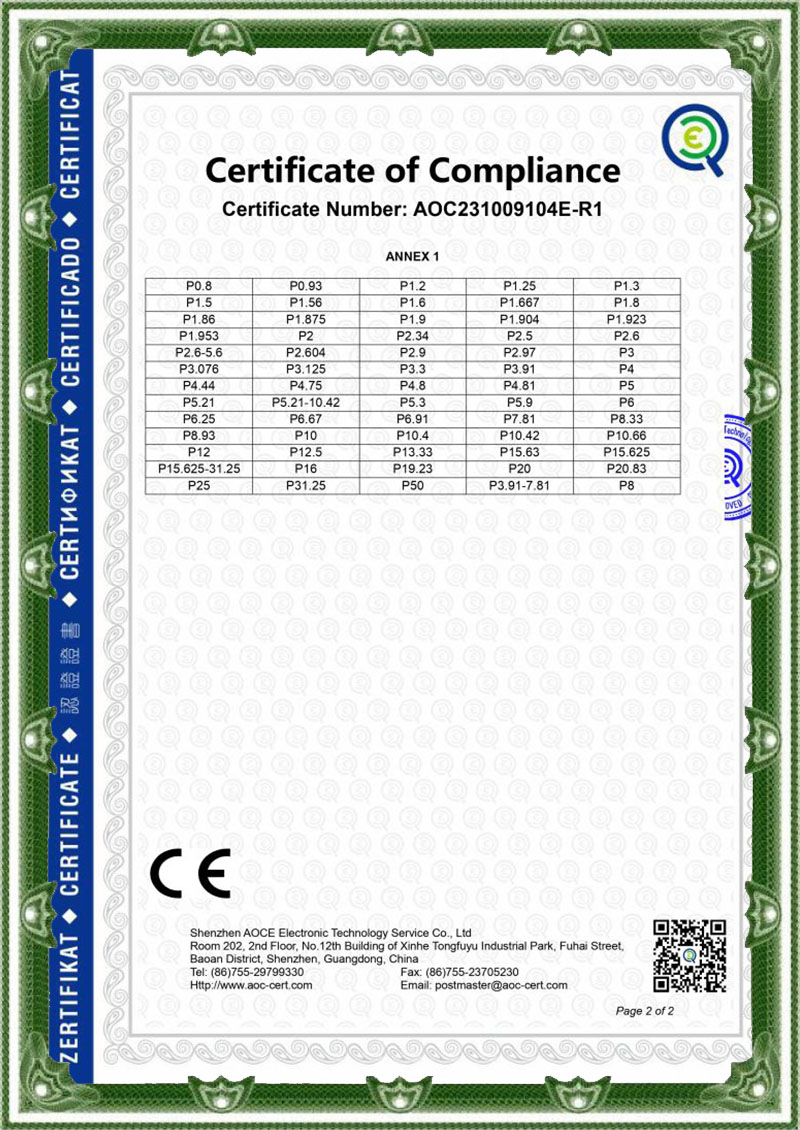
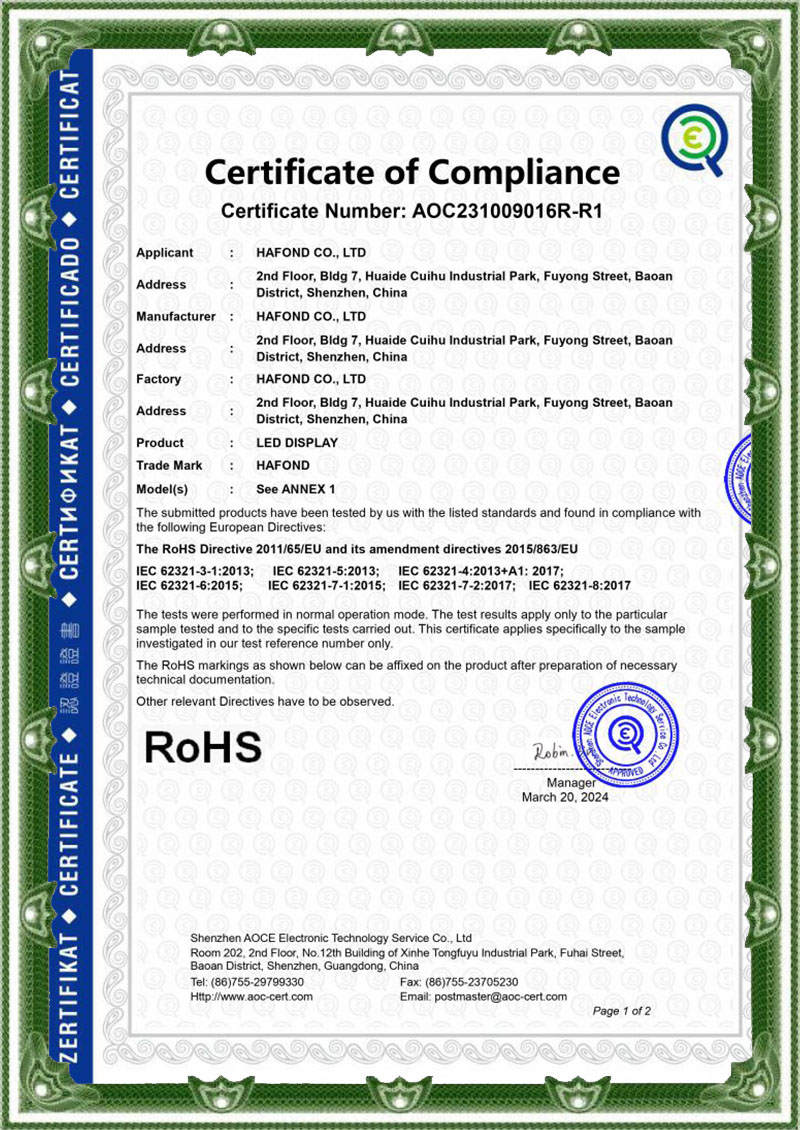
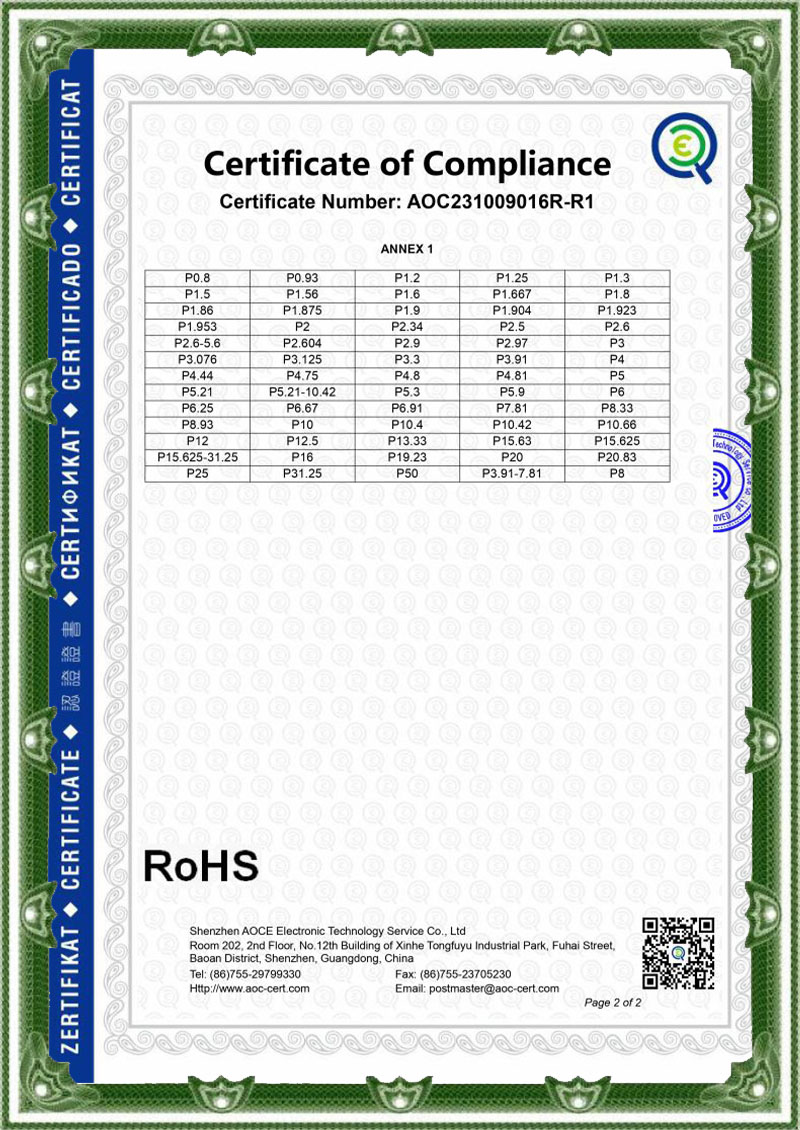
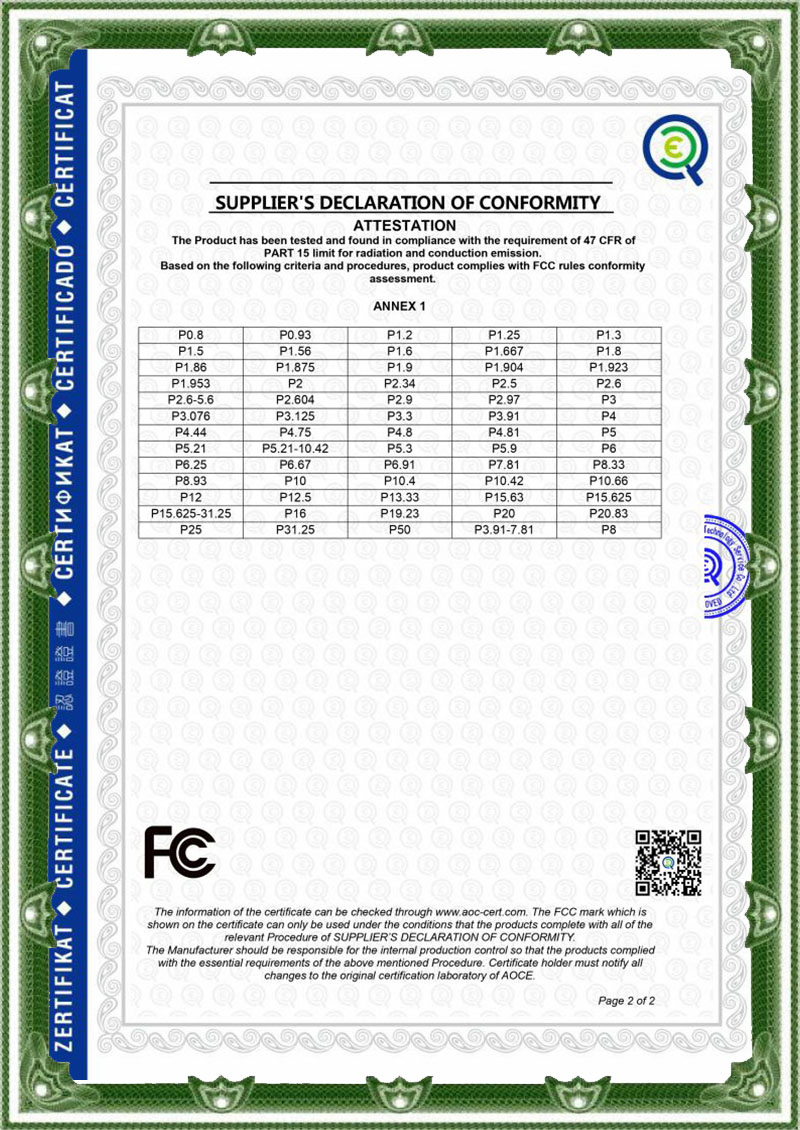
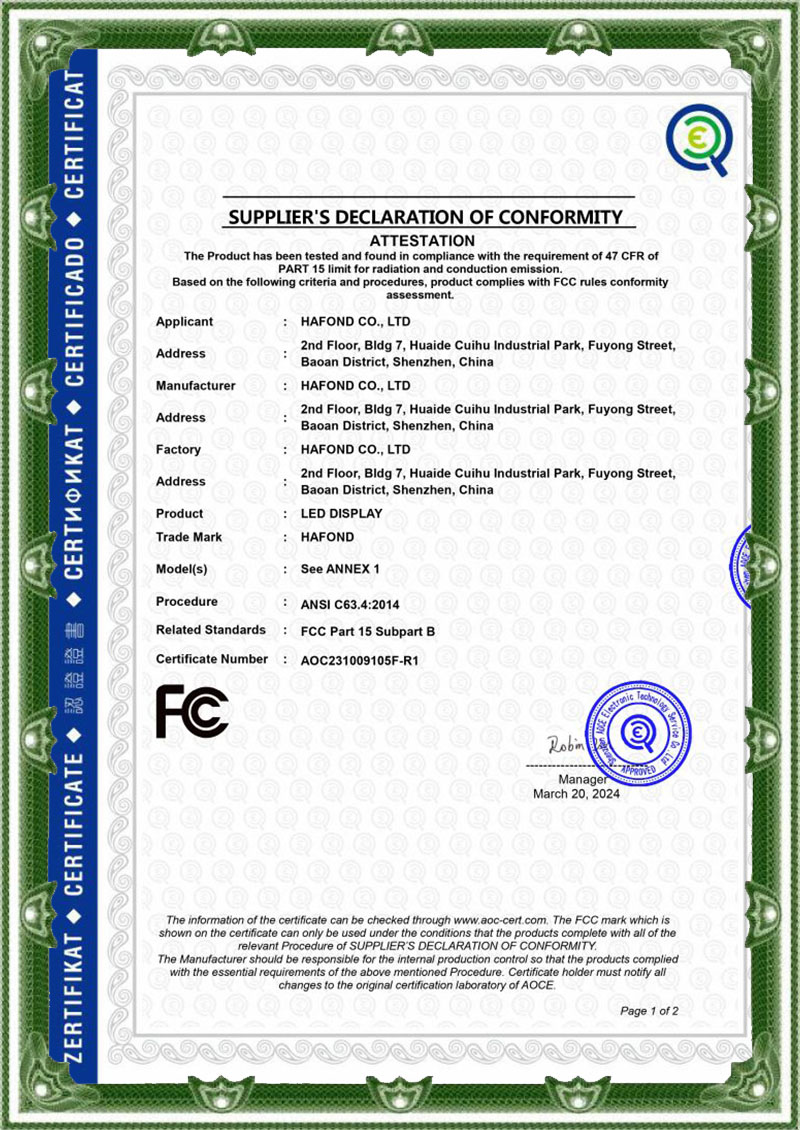
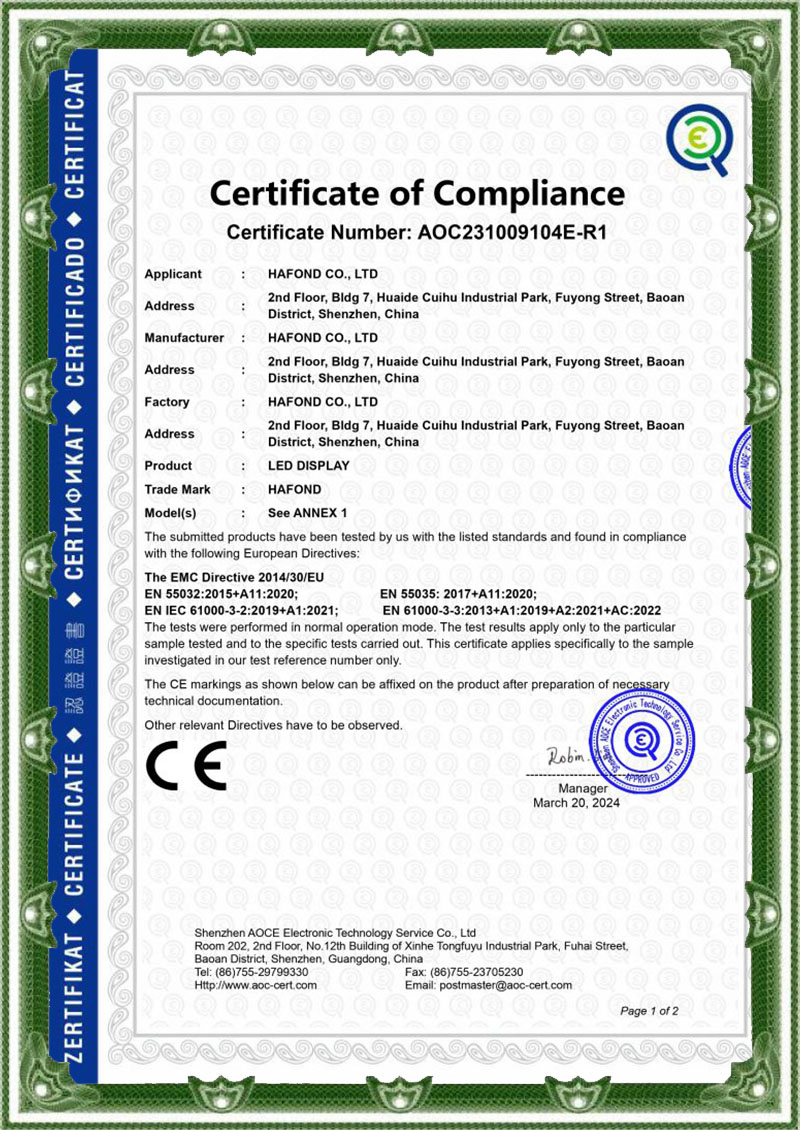
We support distributors and integrators worldwide by maintaining CE, FCC, and RoHS certifications to guarantee compliance with regional customs.
Selecting a P10 LED sign manufacturer involves assessing structural engineering, manufacturing capabilities, and global trade logistics. As an international buyer, understanding the technical landscape ensures that your display investments stand up to regional regulatory requirements and environmental elements.
More than 80% of the world’s LED display hardware is engineered and assembled in the southern coastal regions of China. This industrial concentration creates significant supply chain advantages:
To protect capital investments, global purchasers should evaluate manufacturers against the following technical criteria:
| Specification Area | Standard Requirement | Enterprise Sourcing Priority |
|---|---|---|
| Ingress Protection | IP65 (Front) / IP54 (Rear) minimum | Prevents moisture, dust, and insects from degrading internal PCB connections. |
| Power Supply Quality | UL, CE, Mean Well, or G-Energy branded | Maintains stable current flow, reduces power loss, and minimizes fire risk. |
| Thermal Management | Die-cast aluminum cabinets or built-in cooling fans | Dissipates heat efficiently, preventing color shift and diode degradation over time. |
| Control Systems | NovaStar, Colorlight, or Linsn controllers | Provides multi-device cloud controls, remote monitoring, and stable signal transfers. |
Certification Insight: Compliance with CE, FCC, and RoHS standards is required for North American and European imports. Compliance with EMC Class A or Class B limits electromagnetic emissions that can disrupt telecommunication systems near your sign installation.
The durability and high-impact brightness of P10 LED signs make them popular in municipal, commercial, and transport environments:
The industry is moving toward energy-efficient designs. Common Anode power distribution separates the red, green, and blue diodes’ power lines, delivering specific voltages to each. This approach reduces overall power consumption and heat output by up to 30%, which extends the operational lifespan of the diodes. Additionally, IoT-enabled control cards allow real-time diagnostic reporting for pixel damage, high-temperature events, and light output changes.
Critical engineering and logistics questions answered by HAFOND's technical consulting team.
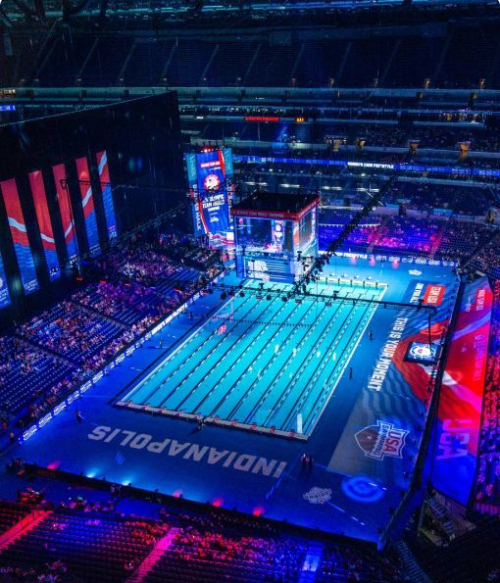
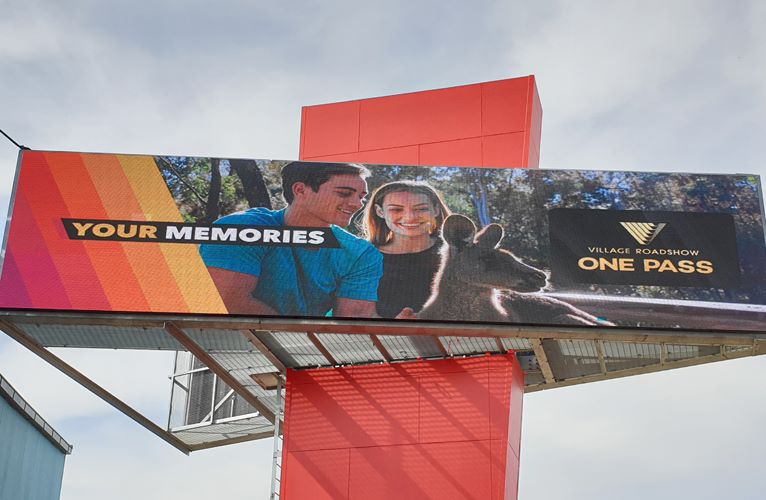
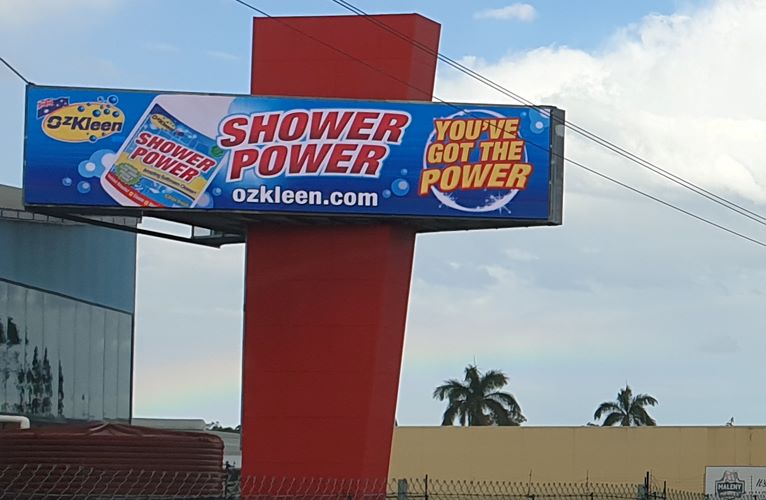
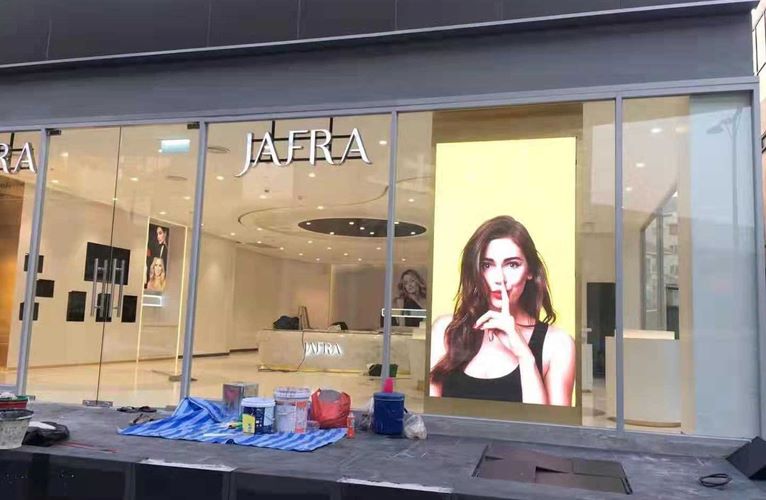
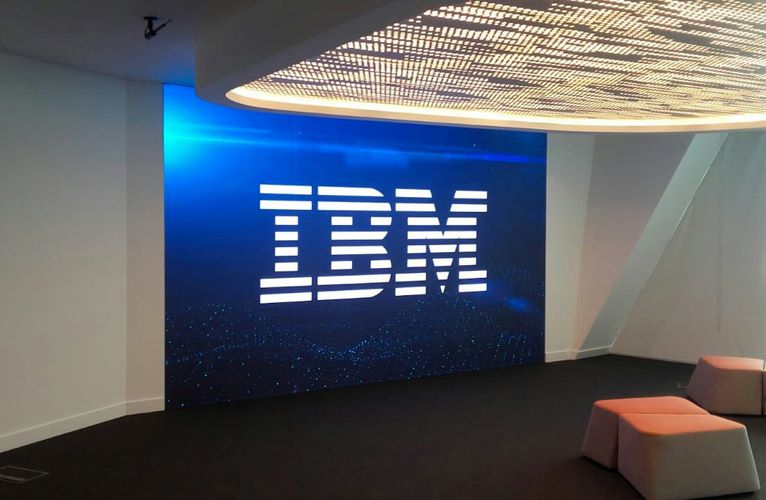
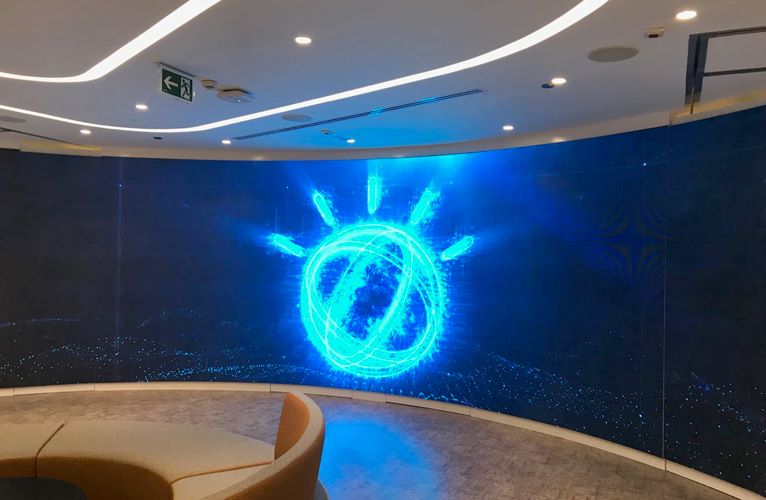
View examples of our LED displays in diverse real-world installations around the world.

Explore our specialized range of modular setups, stadium borders, and transparent LED solutions.
 Hafond Display