Explore engineered, enterprise-grade display components designed to meet rigorous architectural, broadcasting, and commercial metrics.
In the contemporary digital landscape, LED modules constitute the fundamental building blocks of advanced visual communication systems. From control rooms in high-security facilities to massive digital-out-of-home (DOOH) advertising facades, these modules define the efficiency, clarity, and reliability of complex information networks. High-quality LED modules are no longer judged solely by brightness; instead, performance parameters such as pixel consistency, thermal dissipation, mechanical flatness, and gray-scale reproduction at low brightness have emerged as the primary metrics for selection.
Global industrial demand is witnessing a monumental pivot towards micro-pitch architectures, driven by the emergence of Chip-on-Board (COB) and Glue-on-Board (GOB) packaging technologies. Traditional Surface Mounted Device (SMD) arrays are giving way to integrated packaging solutions that yield superior protection metrics (IP grades), shock resistance, and anti-static properties. As commercial sectors demand longer lifespans and lower operational costs, leading manufacturers are investing in Common Cathode driving technologies to reduce power consumption by up to 30%, thus optimizing the Total Cost of Ownership (TCO) for enterprise scale projects.
Information Gain: High-performance LED modules utilize gold-wire bonding rather than copper-wire bonding. This delivers superior electrical conductivity, exceptional corrosion resistance, and prolonged operational lifespan under extreme ambient temperature variations.


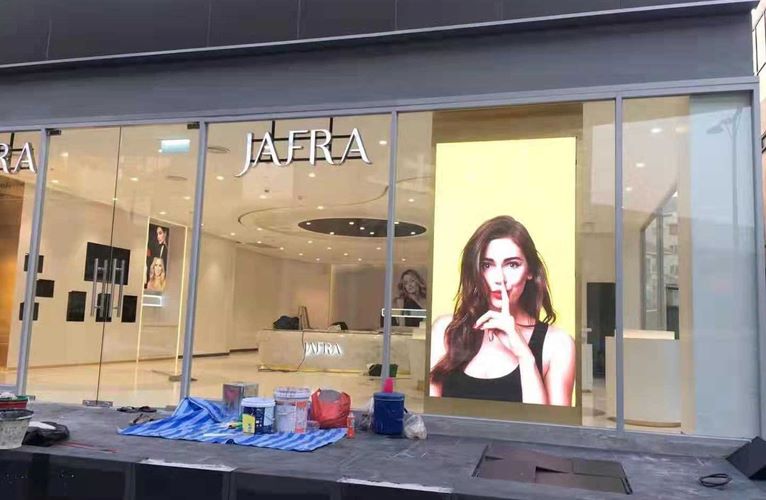
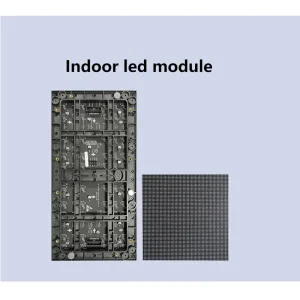
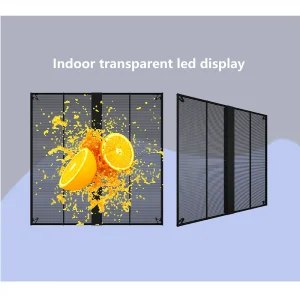
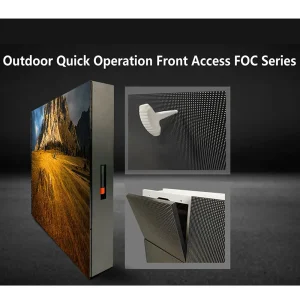
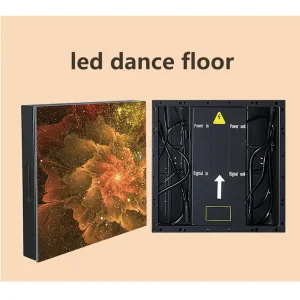
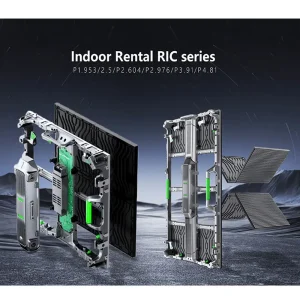
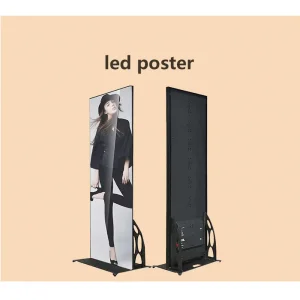
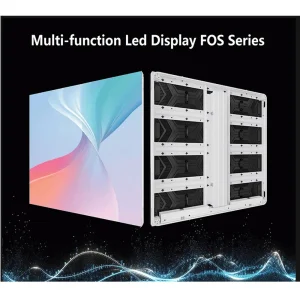
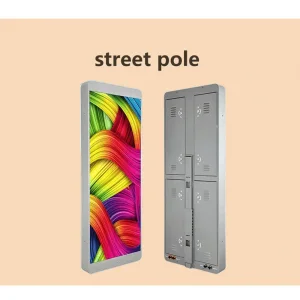
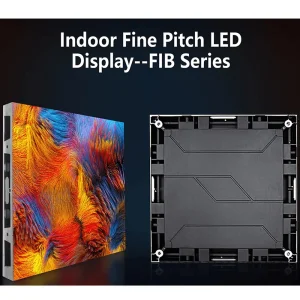
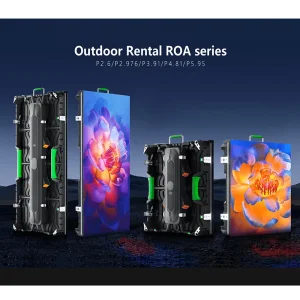
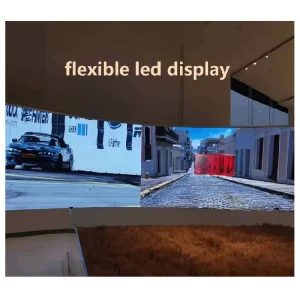
Real-world implementations of HAFOND LED modules demonstrating structural integrity and uniform pixel distribution across various module orientations.
How high-quality LED modules are integrated into multi-tiered frameworks to solve industrial, spatial, and functional visual challenges.
Control rooms demand zero-latency visual feeds and high contrast ratios. Ultra-fine pitch LED modules configured in redundant topologies ensure that power supply or signal routing failure does not black out critical displays. By utilizing high-gray-scale drivers, data integrity is maintained even in low-ambient light environments typical of 24/7 monitoring centers.
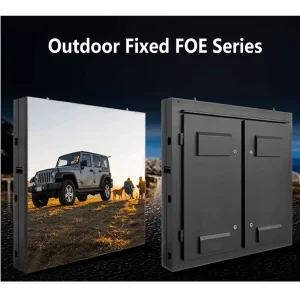
Outdoor settings present the most severe operational challenges. Premium modules are engineered with high-efficiency LEDs capable of achieving brightness ratings over 6500 nits. This maintains visibility in direct, high-UV solar conditions. Integrated aluminum casings serve as a heat sink, allowing fanless operating parameters that significantly reduce maintenance intervals.
Modern broadcasting and film-making utilize LED volumes to replace traditional green screens. This demands modules with scan rates of 7680Hz and extremely low latency processing chips. Minimizing color shifting at off-axis angles is vital to prevent moiré patterns and ensure color accuracy when captured by high-frame-rate cinema cameras.
Founded in 2014, HAFOND CO., LTD has evolved into a premier designer and manufacturer of high-quality indoor and outdoor LED display systems. Our decade-long focus on research and development ensures that our visual solutions deliver performance under demanding installation criteria. We do not just assemble components; we engineer systems that add value to global enterprises.
HAFOND operates from an advanced production site, deploying fully automated assembly lines to ensure micron-level accuracy across pixel mount placements. Our stringent validation processes subject every single batch of modules to extreme environmental stressors, thermal cycles, and visual uniformity audits. This level of quality assurance has allowed our technologies to be adopted in critical commercial and civic installations globally.
Inside HAFOND’s state-of-the-art manufacturing facility featuring automated SMT lines and rigorous optical calibration procedures.
How our R&D efforts are driving the future of optical efficiency, micro-level integration, and intelligent power management.
Perfecting Chip-on-Board (COB) and MicroLED-in-Package (MIP) to bring sub-0.9mm pitches to standard commercial environments with higher shock and water resistance.
Standardizing independent red, green, and blue power supplies. This decreases heat emission, minimizes color shifting, and extends diode operational lifespan.
Integrating intelligent Driver ICs with real-time feedback loops. This facilitates automated remote calibration, pixel failure detection, and thermography reporting.
Utilizing advanced composite polymer resins that resist UV-degradation and thermal expanding, preserving pixel alignment integrity over decade-long lifespans.
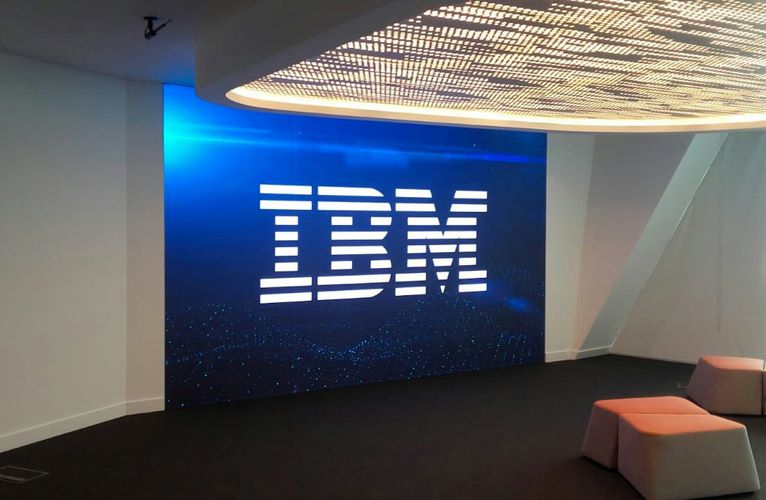
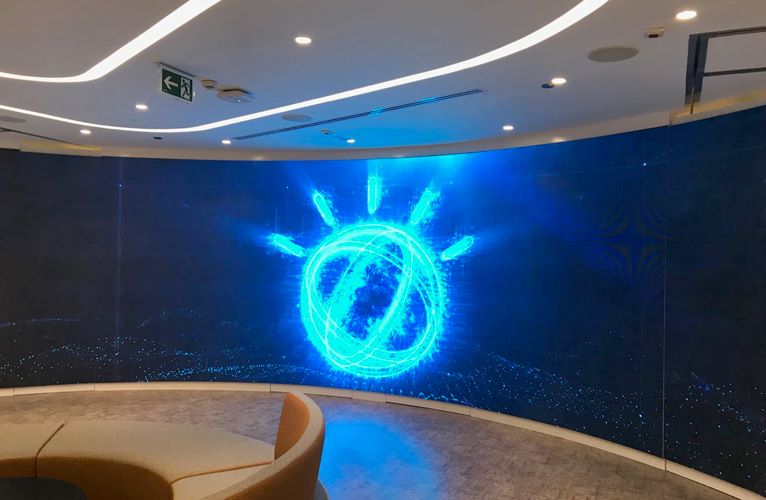
Hafond installations are verified for structural integrity in public venues and commercial retail complexes globally.
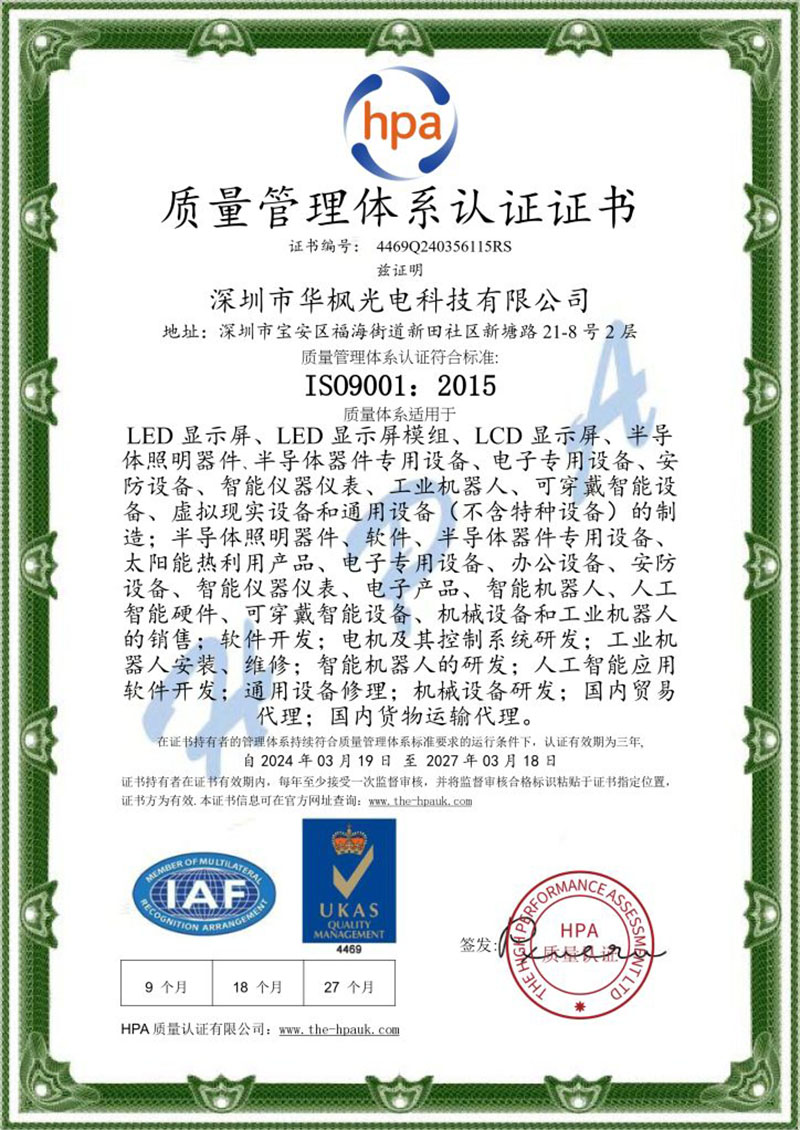
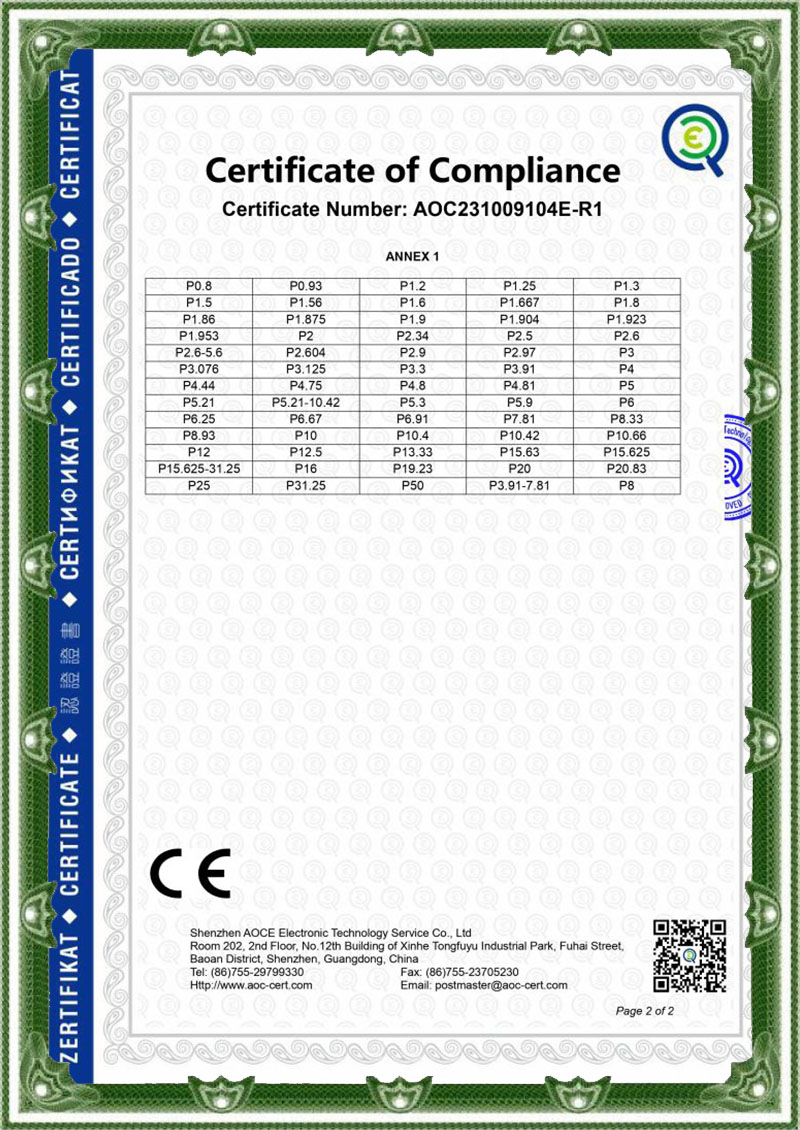
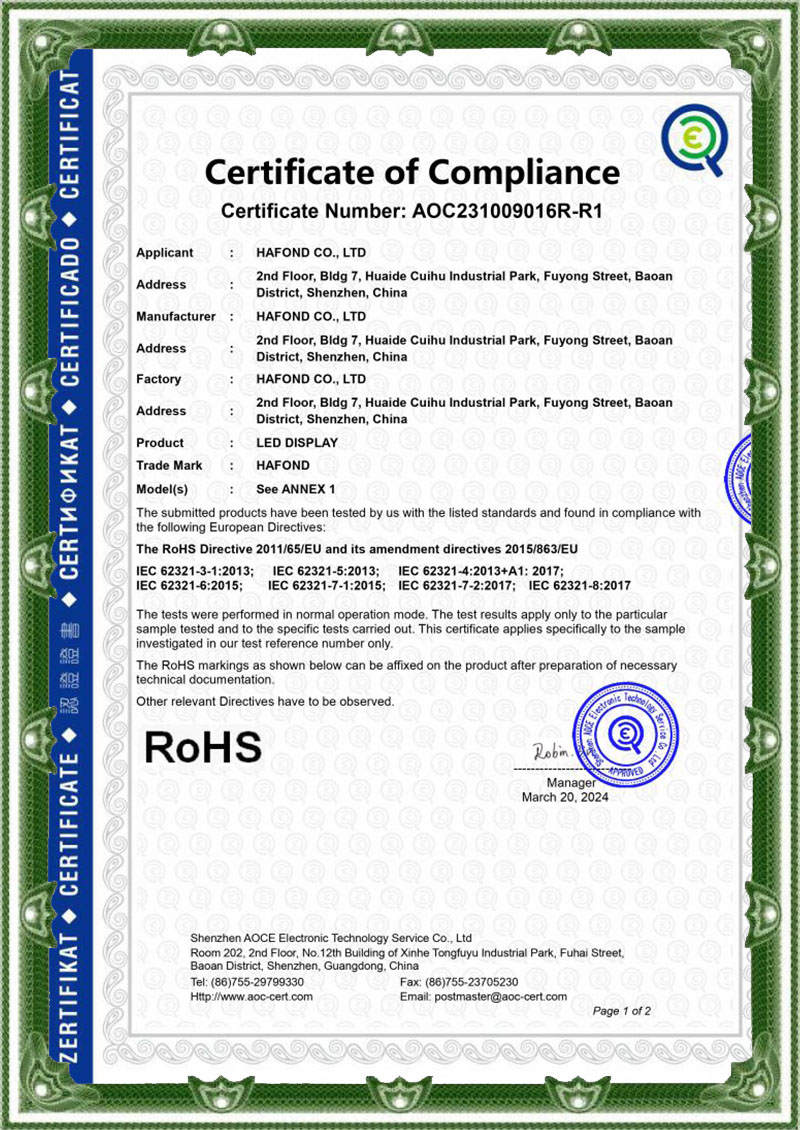
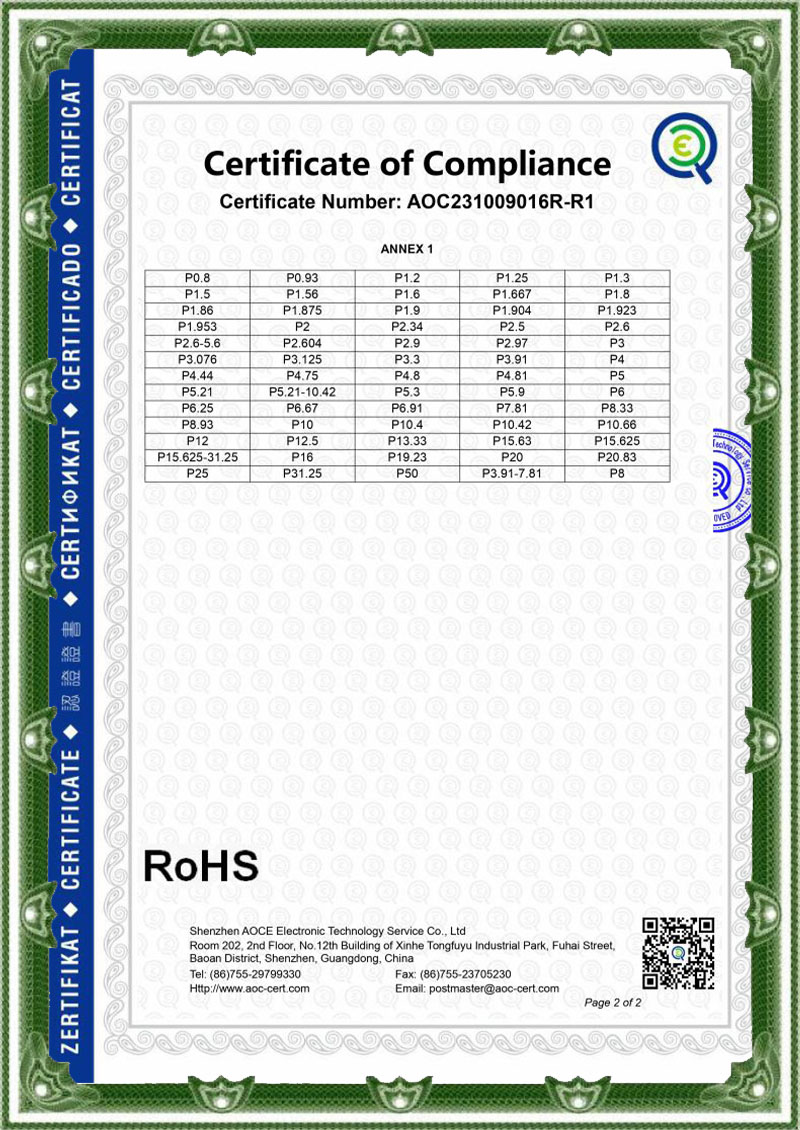
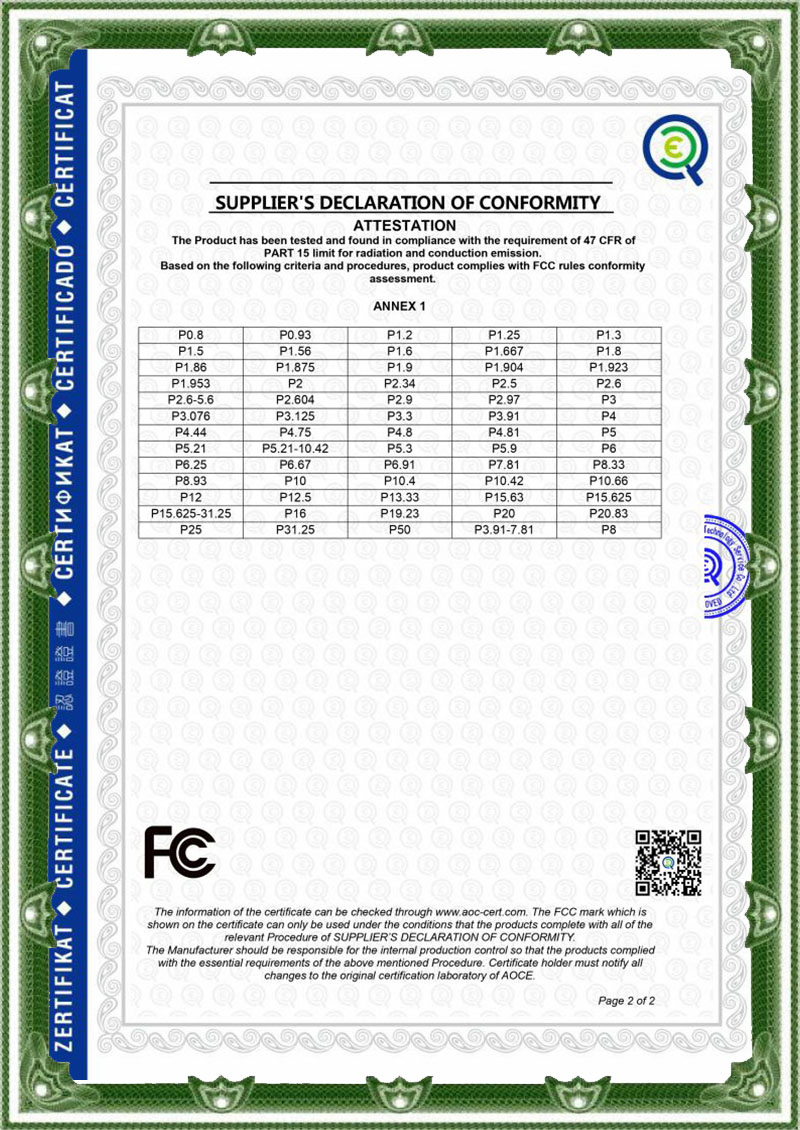
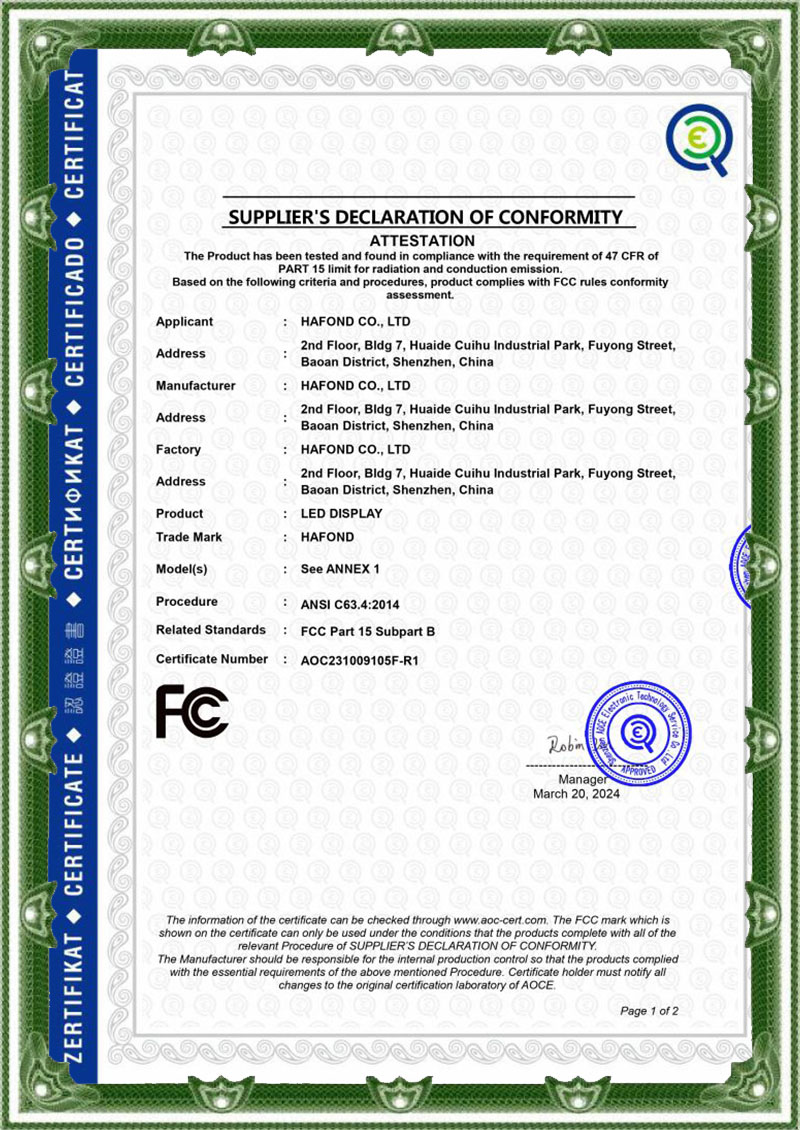
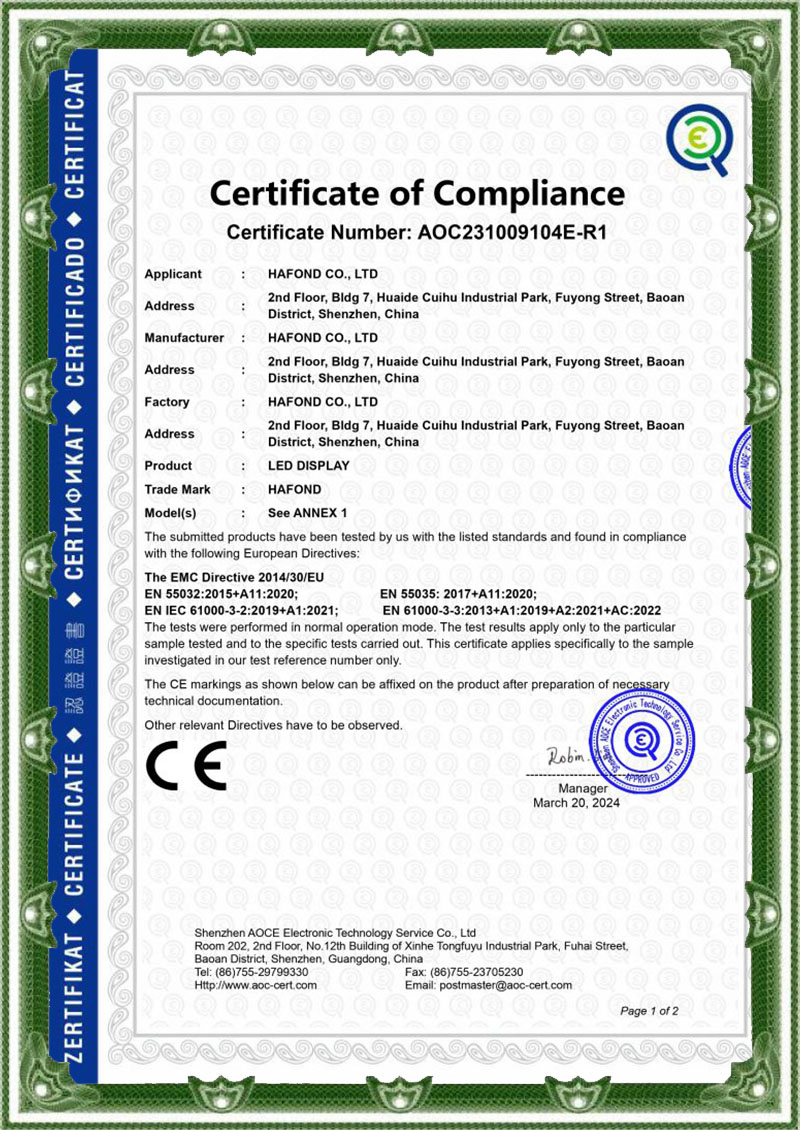
Deploying enterprise-grade visual screens requires compliance with local structural, emission, and electrical standards. Every HAFOND LED display meets international standards including CE, RoHS, and FCC certifications, ensuring they pass local municipal electrical inspections without issue.
To safeguard our global clients' investments, HAFOND provides structured technical warranties on all components:
A catalog of actual structural and design projects executed globally using HAFOND high-performance LED modules.

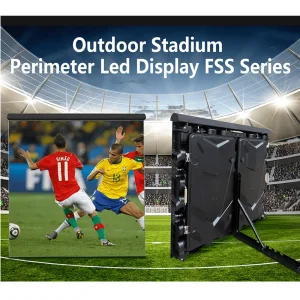
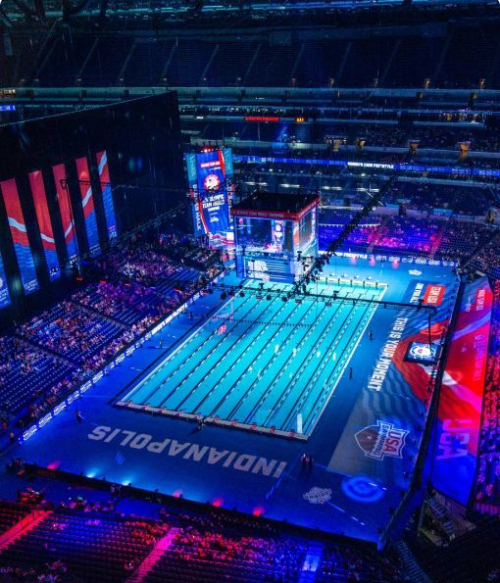
From high-resolution stadium perimeter banners to modular public indoor columns and customizable corporate arrays, HAFOND displays function reliably across challenging environments.
Critical engineering and architectural answers to simplify your decision-making and project specifications.
SMD (Surface Mounted Device) modules house individual RGB chips soldered to the PCB surface. They are cost-effective and easy to service. COB (Chip-on-Board) mounts the raw LED chips directly to the board substrate, eliminating standard wire packages and offering superior pixel density, viewing angles, and physical protection. GOB (Glue-on-Board) applies an optical epoxy layer over standard SMDs to enhance water, dust, and impact protection.
Common Anode systems supply a single voltage value to Red, Green, and Blue diodes, causing excess energy on the lower-voltage Red diode to dissipate as heat. Common Cathode technology separates power supply lines, routing optimal voltage directly to each diode. This lowers total power draw, reduces structural heat by 10-15°C, and extends the visual lifespan of the module.
A standard baseline formula is: Pixel Pitch (in millimeters) multiplied by 1 to 1.5 meters yields the minimum comfortable viewing distance. For example, a P2.5 display is optimized for viewers positioned 2.5 to 3.75 meters away, while a fine pitch P1.2 screen maintains a sharp image from 1.2 to 1.8 meters away.
Low refresh rates (e.g., 1920Hz) result in scan lines and screen flickering when recorded by video cameras. Professional broadcasting requires a minimum refresh rate of 3840Hz, while virtual productions and XR stages demand rates up to 7680Hz. This ensures that camera shutter synchronization remains clean without visual distortion or color artifacts.
Excess heat accelerates color shift and reduces the output intensity of LED chips at variable rates. Outdoor modules with inadequate thermal dissipation develop uneven dark areas and color shifts over time. HAFOND uses high-conductivity PCB layouts and integrated heatsinks to ensure uniform heat dissipation across the entire module surface, preserving uniform color output.
We offer both configurations to fit your space requirements. Front-serviceable modules use magnetic mechanisms, making them ideal for thin wall mounts where rear access is unavailable. Rear-serviceable modules feature rapid-release latches, making them well-suited for easy access and servicing in stadium perimeter structures or outdoor display boards.
Integrate HAFOND’s robust cabinetry, creative panels, and customized options to execute your visual architecture projects.
 Hafond Display